FIIs Bought ₹1.30 Lakh Crore in November—Nifty Still Sent Them the Bill
Big monthly inflows are no force field when this week’s selling, profit-taking and global nerves arrive together.
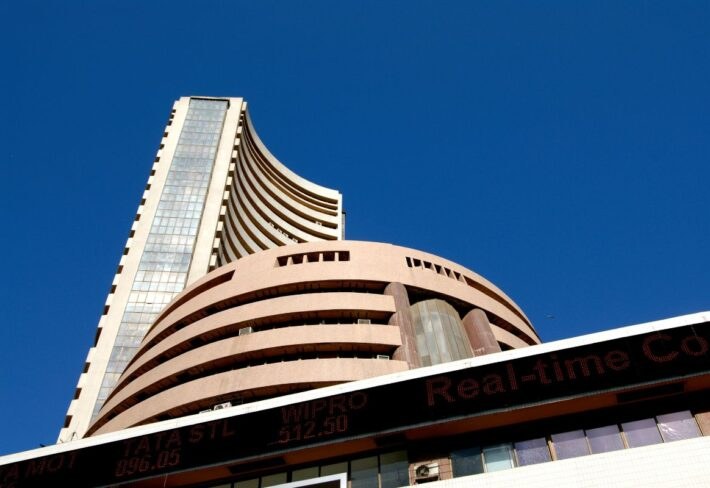
Editorial visual documentation covering developments in FIIs Bought ₹1.30 Lakh Crore in November—Nifty Still Sent Them the Bill.
Core Investigation Takeaways & Order Highlights
November’s reported ₹1.30 lakh crore of FII buying sounds like a Dalal Street baraat: plenty of guests, plenty of noise, and a reasonable expectation that Nifty should dance. Then the index slipped this week, leaving investors asking whether the foreign funds took the wrong turn at the exchange gate. The catch is the calendar: a monthly cumulative flow is not a promise to buy every session, and this week’s price action can reflect fresh selling, profit-taking or changing global cues.
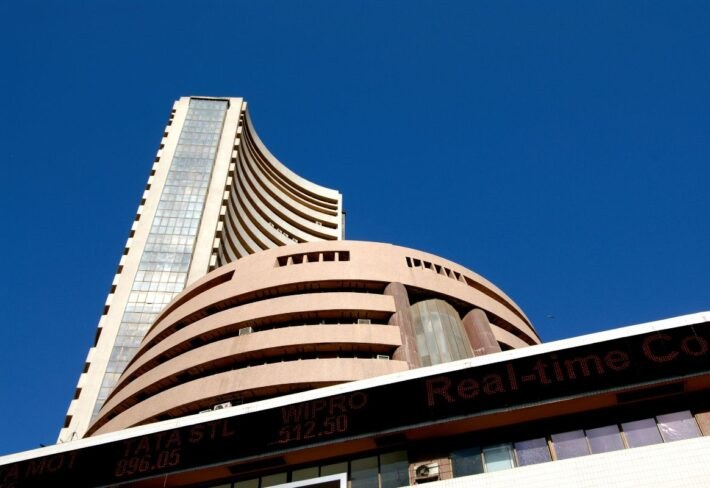
Market intelligence and exchange telemetry for MARKET & NIFTY.
Flows are only one ingredient in the index recipe. A sharp move in heavyweight shares such as HDFC Bank, ICICI Bank, Reliance Industries or Infosys can outweigh buying elsewhere; earnings outlook, valuations, bond yields, the rupee and crude prices also influence risk appetite. FIIs may buy on a monthly net basis while trimming exposure on particular days or using futures and options to hedge. DIIs—often supported by domestic mutual-fund inflows—can absorb supply, but their buying does not guarantee that every sector or stock rises.
For the next session, traders should read price before narrative: watch whether Nifty holds its recent swing support and whether rallies clear nearby resistance with convincing breadth and volumes. Exact levels depend on the latest close, so verify the index chart and official daily flow data rather than borrowing a number from a stale screenshot. If the index makes lower highs while heavyweight stocks weaken, the monthly FII headline is no reason to chase. A sustained breakout with broader participation would make the bullish case sturdier.

Regulatory framework and official market disclosure documentation.
Strategic Action Plan & Risk Discipline for Dalal Street Traders
Key institutional execution guidelines and risk parameters for managing exposure amidst current market developments:
- 1Size positions to your risk budget and define a stop-loss before entry; a monthly flow headline is not a trading signal.
- 2Compare FII and DII net activity over matching dates and segments, and check cash flows alongside futures positioning and market breadth.
- 3Use confirmed support, resistance and volume cues; avoid averaging down solely because foreign investors were net buyers earlier in the month.
- 4Verify current data through NSE India’s official market data and reports portal at nseindia.com, and cross-check regulatory disclosures with SEBI at sebi.gov.in.